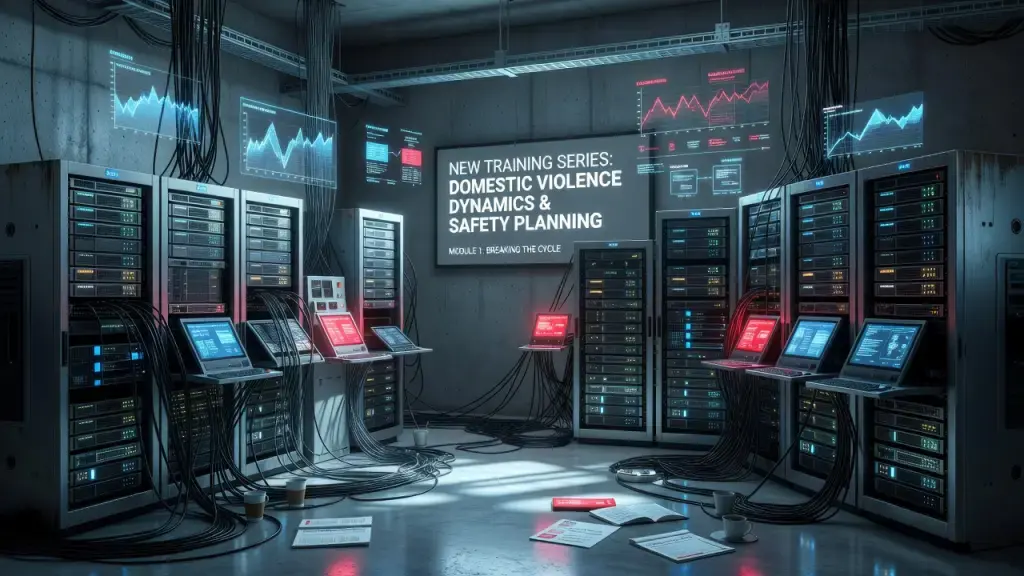
One in four women and one in nine men experience intimate partner violence severe enough to cause lasting physical or psychological harm during their lifetimes, according to long-standing public health research - yet most people never receive formal guidance on how to recognize abuse or respond when someone confides in them. A new Community Training Series aims to close that gap, starting with a session dedicated to the dynamics of domestic violence and practical safety planning, scheduled for Wednesday, October 7, from 12 to 1:30 PM EST on Zoom.
What the Session Covers
The training builds directly on the organization's foundational Dynamics of DV, or DV101, course, but adds a layer most introductory programs skip: how to help someone build a safety plan and how to respond in the moment when a disclosure happens. That distinction matters. Understanding the patterns of coercive control, isolation, and escalation is one skill; knowing what to say when a coworker, friend, or family member says "this is happening to me" is another entirely. For survivors navigating digital safety alongside physical safety, even small technical steps - such as using tools like how to confirm your location has changed when attempting to mask their whereabouts online - can become part of a broader protective strategy, and advocates increasingly need literacy in both the interpersonal and technological dimensions of risk.
Safety planning itself is not a single document or script. It is a flexible, individualized process that accounts for a survivor's specific circumstances: whether children are involved, whether the abuser has access to shared devices or accounts, and whether leaving the relationship is currently safe at all. Advocates are trained to understand that leaving is often the most dangerous moment in an abusive relationship, which is why safety planning frequently focuses as much on staying safely as on exiting.
Why This Training Is Open to Everyone
Organizers have been clear that the session welcomes both newcomers and seasoned advocates. This inclusive framing reflects a broader shift in how domestic violence education is delivered: rather than treating this knowledge as specialized expertise reserved for shelter staff or crisis counselors, organizations are pushing it toward teachers, coworkers, healthcare workers, and neighbors - anyone who might be the first person a survivor trusts with their story.
Registering and What Comes Next
Those interested in attending can register through the Zoom link provided in the organization's bio. The session marks the first installment in what is described as an ongoing Community Training Series, suggesting additional sessions on related topics will follow. For an issue that remains underreported and widely misunderstood, structured, accessible education of this kind offers a concrete way for communities to respond more effectively when abuse surfaces close to home.