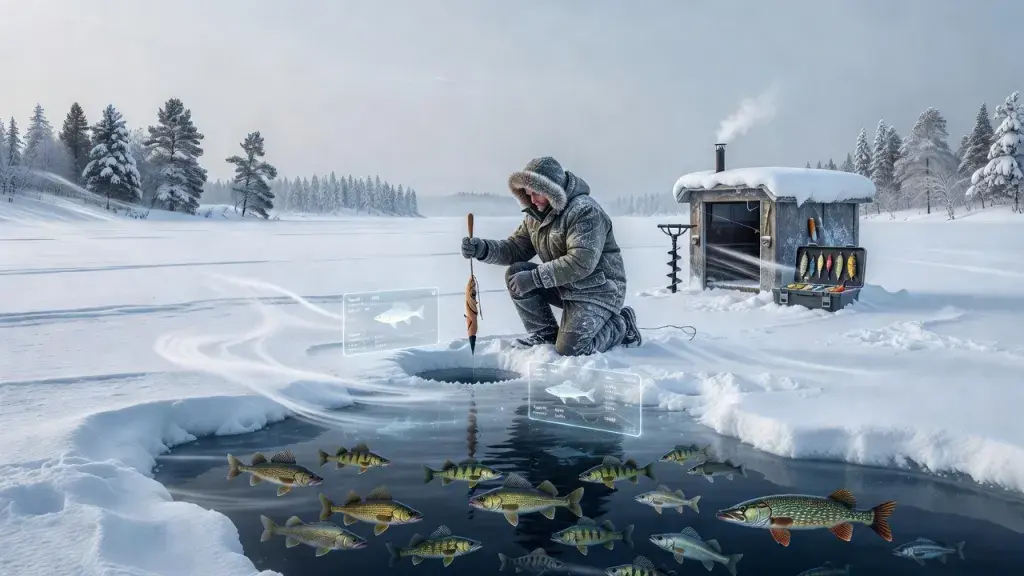
A hole drilled through two feet of solid ice, a hand-carved jig dropped into black water, and complete silence except for the wind - that scene has become one of the more unlikely successes in casual gaming. Developers have spent years trying to replicate the calm intensity of standing on a frozen lake waiting for a bite, and the results now sit comfortably in browser tabs and mobile apps around the world. What started as a niche curiosity for anglers stuck indoors during off-season months has grown into a full genre of its own.
The appeal isn't hard to trace. Real ice fishing demands gear, travel, patience, and a tolerance for sub-zero temperatures that most people simply don't have. A well-built ice fishing simulator strips away those barriers while keeping the mental rhythm of the sport intact - the reading of sonar, the subtle jig movements, the wait. Several platforms now let players try this experience directly, and one accessible starting point is the website, where a stripped-down version of the mechanic runs without downloads or setup. That kind of immediate access has done more for the genre's growth than any marketing campaign could.
This piece looks at why these games work, how they're built, what separates a forgettable clone from a genuinely engaging title, and where the genre is likely headed next. Anyone curious about trying a winter fishing game for the first time - or wondering why the arctic setting keeps showing up across so many titles - will find practical answers here.
What Makes an Ice Fishing Simulator Different from Other Fishing Games
Fishing games as a category are broad, ranging from tropical bass tournaments to deep-sea trawling simulations. Ice fishing occupies a distinct corner of that space because the core mechanic inverts the usual approach. Instead of casting a line across open water, players drop a lure straight down through a fixed hole, which changes the entire rhythm of play.
The Vertical Mechanic
Because movement is limited to depth rather than distance, an ice fishing simulator has to compensate with detail elsewhere - water temperature layers, fish behavior at different depths, and jigging patterns that mimic real angling technique. This vertical focus forces designers to build more nuanced fish AI than a typical casting game requires, since there's no horizontal exploration to fall back on for variety.
Environmental Pressure as a Game Mechanic
Cold weather isn't just visual dressing in these titles. Many incorporate it directly into gameplay - ice thickness affecting where you can drill, wind speed influencing line sensitivity, or limited daylight hours creating a soft time pressure. This turns the arctic fishing game setting into an active gameplay layer rather than a passive backdrop.
Sound and Stillness
Silence is a deliberate design choice. Unlike arcade-style fishing games with upbeat soundtracks, ice fishing titles often lean into quiet, using wind and ice-cracking sounds to build atmosphere. That restraint is part of what makes the genre feel authentic rather than gimmicky.
Core Features of a Great Ice Fishing Adventure
Not every title in this space delivers the same depth. The difference between a shallow tech demo and a lasting ice fishing adventure usually comes down to a handful of specific design choices.
Realistic Sonar and Fish Finder Systems
Serious anglers rely on sonar to locate fish under the ice, and the best digital versions replicate this closely - showing fish silhouettes moving toward or away from the lure in real time. This single feature does more to create tension than flashy graphics ever could.
Species Variety and Behavior Patterns
Strong titles model multiple species with distinct habits: walleye that feed at dawn and dusk, perch that school in tight clusters, pike that strike aggressively. This variety keeps a winter fishing game from becoming repetitive after the first few sessions.
Progression and Equipment Upgrades
Reward systems matter. Players who catch bigger fish or complete challenges typically unlock better rods, more sensitive sonar units, or heated shelters. A well-paced upgrade path keeps early sessions rewarding without making later content trivial.
Multiplayer and Social Elements
- Shared leaderboards ranking biggest catches by season
- Co-op modes where players fish the same virtual lake together
- Trading systems for gear or bait
These social layers extend replay value well beyond the solo experience, turning a single-player pastime into something closer to a community.
The Arctic Setting: Why Frozen Landscapes Work So Well in Games
Setting shapes mood, and few environments do it as efficiently as a frozen lake stretching to the horizon. The arctic fishing game aesthetic has proven remarkably durable across different studios and platforms.
Visual Simplicity as an Advantage
White snow, gray ice, dark water - this limited palette is easier to render convincingly than a lush tropical scene, which means smaller studios can achieve a polished look without massive art budgets. That efficiency has helped independent developers compete in a space often dominated by larger studios.
Authentic Regional Detail
Games set in recognizable northern regions - the upper Midwest, Scandinavia, Siberia - often include location-specific touches: ice auger types, native fish species, or regional shelter designs. This grounding gives the experience credibility with players who actually practice the sport.
Weather as Narrative Tension
A sudden squall or dropping temperature reading isn't just decoration; it can signal that it's time to pack up before conditions turn dangerous. This mirrors real safety concerns ice anglers face and adds a layer of stakes that summer fishing settings rarely replicate.
How to Choose the Right Winter Fishing Game for You
With dozens of titles competing for attention, picking the right one depends heavily on what a player actually wants from the experience.
Casual Play vs. Simulation Depth
Some players want a quick, relaxing session during a lunch break; others want granular control over line tension and jig cadence. Reading a few reviews or watching short gameplay clips before committing time is usually enough to tell which category a title falls into.
Platform Considerations
Browser-based titles offer instant access with no installation, which suits anyone testing the genre for the first time. Console and PC versions typically offer richer graphics and more complex physics, at the cost of setup time and storage space.
Monetization Models
Free-to-play titles often gate content behind timers or optional purchases for gear. Premium titles charge upfront but usually unlock the full experience immediately. Knowing which model fits your patience and budget avoids frustration later.
The Rise of Fishing Game Online Platforms and Communities
Browser accessibility has changed how people discover this niche entirely. A fishing game online no longer requires a console purchase or a hefty download - it runs the moment a page loads, which has pulled in a much wider audience than the genre saw a decade ago.
Cross-Platform Play
Many current titles sync progress across mobile, browser, and desktop, letting players pick up a session on a phone during a commute and finish it later on a larger screen. This flexibility has become close to a baseline expectation rather than a bonus feature.
Community-Driven Content
Active player bases often push developers to add new lakes, species, or seasonal events. Some studios respond with regular content drops tied to real-world ice fishing seasons, keeping the game relevant year-round rather than only during winter months.
Competitive Tournaments
Timed tournament modes, where players compete for the heaviest catch within a set window, have become a reliable way to bring lapsed players back. These events often carry cosmetic rewards or leaderboard recognition rather than real-money prizes, keeping the format accessible.
Frequently Asked Questions
Do I need any real fishing knowledge to enjoy an ice fishing simulator?
No prior experience is necessary. Most titles include tutorials covering jigging technique, sonar reading, and basic gear choices within the first few minutes of play. Real-world knowledge can help you recognize fish behavior patterns faster, but it isn't required to start catching fish.
Are these games only playable in winter, or can I play year-round?
The setting is fixed to arctic or winter conditions regardless of the actual season outside. Many players specifically use these games during summer months as a way to experience the sport without waiting for real ice to form.
What's the difference between arcade-style and simulation-style titles?
Arcade versions simplify mechanics for fast, casual sessions with forgiving controls and quicker rewards. Simulation-style titles model tackle sensitivity, fish behavior, and environmental variables closely, demanding more patience and attention to detail from the player.
Can I play these games with friends, or are they strictly single-player?
Many current titles support multiplayer modes, ranging from shared virtual lakes to competitive tournaments with leaderboards. Solo play remains an option in nearly every title for those who prefer a quieter experience.
Is it possible to try one without paying anything upfront?
Yes, a significant portion of titles in this genre are free to access, particularly browser-based ones that run directly without installation. Some offer optional purchases for cosmetic gear or faster progression, but the core fishing experience is typically playable at no cost.
Why do so many of these games use an arctic or frozen setting specifically?
The frozen lake environment offers a distinct gameplay mechanic - vertical fishing through a drilled hole - that differs meaningfully from casting-based games. It also allows for atmospheric, low-clutter visuals and built-in tension through weather and ice conditions, making it a practical and engaging choice for developers.